
Home › Probate & Trust Administration
Probate & Trust Administration
We guide individuals and families throughout Iowa, Illinois, Missouri, and Kansas through each step with straightforward explanations and a clear path forward.
After a loss
The days and weeks after losing a loved one often come with difficult decisions, unfamiliar paperwork, and questions you may never have expected to answer. While you’re grieving, you may also be responsible for handling financial matters, locating important documents, or understanding what the law requires next. Working with an experienced probate attorney can help you move forward with greater clarity and confidence.
Probate and trust administration are the legal processes used to settle a person’s affairs after death and transfer assets according to a will, trust, or applicable law. At Pearson Bollman Law, we guide individuals and families throughout Iowa, Illinois, Missouri, and Kansas through each step with straightforward explanations, practical guidance, and a clear path forward.
You want to understand what the role requires, what must be filed, and how to avoid personal liability while settling the estate.
You need to know how to take over trust assets, communicate with beneficiaries, and distribute property according to the trust’s instructions.
You want to know whether probate is required, what happens next, and what to expect about timing.
Not every estate requires probate. Some assets transfer outside the probate process through trusts, beneficiary designations, joint ownership, or other transfer methods. Because every situation is different, it’s important to understand what applies before taking the next step.
Prefer to talk first? Call (515) 727-0986 or the office nearest you.
What to expect
Probate is a court-supervised legal process that may be required to administer certain assets after someone dies. Depending on the estate, it may involve validating a will, appointing a personal representative, identifying assets, addressing debts, and distributing property.
Every estate is different, but most involve a series of important responsibilities that must be completed before property can be distributed.
01
Finding the will, trust, and related documents that will guide the administration.
02
Determining what the person owned, how each asset was titled, and keeping property secure.
03
Reviewing which assets pass through probate and which transfer outside it.
04
Letting the people who have an interest in the estate or trust know what is happening.
05
Reviewing claims and paying legitimate debts, final expenses, and taxes.
06
Preparing and filing the documents the court requires, on the required timeline.
07
Transferring property according to the governing documents or applicable law.
Trust administration after a death
When assets are held in a trust, the successor trustee is responsible for administering those assets according to the trust document. Trust administration may involve gathering financial information, managing trust property, communicating with beneficiaries, paying appropriate expenses, and distributing assets according to the trust’s instructions. Although court involvement may be limited, trustees still have legal duties that should be carried out carefully.
| Probate | Trust administration | |
|---|---|---|
| Who is in charge | A personal representative, executor, or administrator appointed by the court | The successor trustee named in the trust |
| Governing instructions | The will, or state law if there is no will | The trust document |
| Court involvement | Court-supervised, with required filings | Usually limited |
| Privacy | Court filings are generally public record | Generally remains private |
| Common duties | Inventory assets, address creditor claims, pay debts and taxes, distribute property | Gather and manage trust assets, keep beneficiaries informed, pay expenses and taxes, distribute property |
General information only, not legal advice for your situation.

Your role
The person responsible for administering an estate or trust has important legal responsibilities. Depending on the circumstances and applicable law, this person may be referred to as a personal representative, executor, administrator, or successor trustee.
Responsibilities may include:
Schedule a free initial consultation with Pearson Bollman Law.
Planning ahead
Many people create estate plans with the goal of making things easier for the people they leave behind. Depending on your circumstances, tools such as trusts, beneficiary designations, joint ownership, or transfer-on-death arrangements may simplify how certain assets are transferred.
Every situation is different, and no single approach is right for everyone. Reviewing your estate planning documents with an attorney can help you better understand how those decisions may affect your loved ones in the future.
Why Pearson Bollman Law
Settling an estate often comes during one of life’s most difficult seasons. Legal guidance should bring clarity, not additional stress.
Pearson Bollman Law works with individuals, families, personal representatives, trustees, and beneficiaries throughout Iowa, Illinois, Missouri, and Kansas by providing straightforward explanations, organized guidance, and responsive communication from beginning to end. Rather than expecting you to figure out the process on your own, we help you understand what comes next and what responsibilities may apply to your situation.
Local knowledge
Each state has its own probate laws, court procedures, and deadlines. Probate is generally handled in the county where the person lived, and some smaller estates may qualify for simplified procedures under state law.
IA
Probate is handled by the Iowa District Court in the county where the person lived. We serve Iowa families from West Des Moines, Cedar Rapids, Dubuque, Bettendorf, and Milford.
IL
Probate is handled by the Illinois Circuit Court. Attorneys licensed in Illinois serve families from our Dubuque and Bettendorf offices.
KS
Probate is handled by the Kansas District Court. Our Overland Park office serves families across Johnson County and the Kansas City metro.
MO
Probate is handled by the probate division of the Missouri Circuit Court. An attorney licensed in Missouri serves Missouri families from our Overland Park office.
General information only, not legal advice. Court links open official government websites. See our attorney licensure page for the states in which each attorney is admitted.
Our team
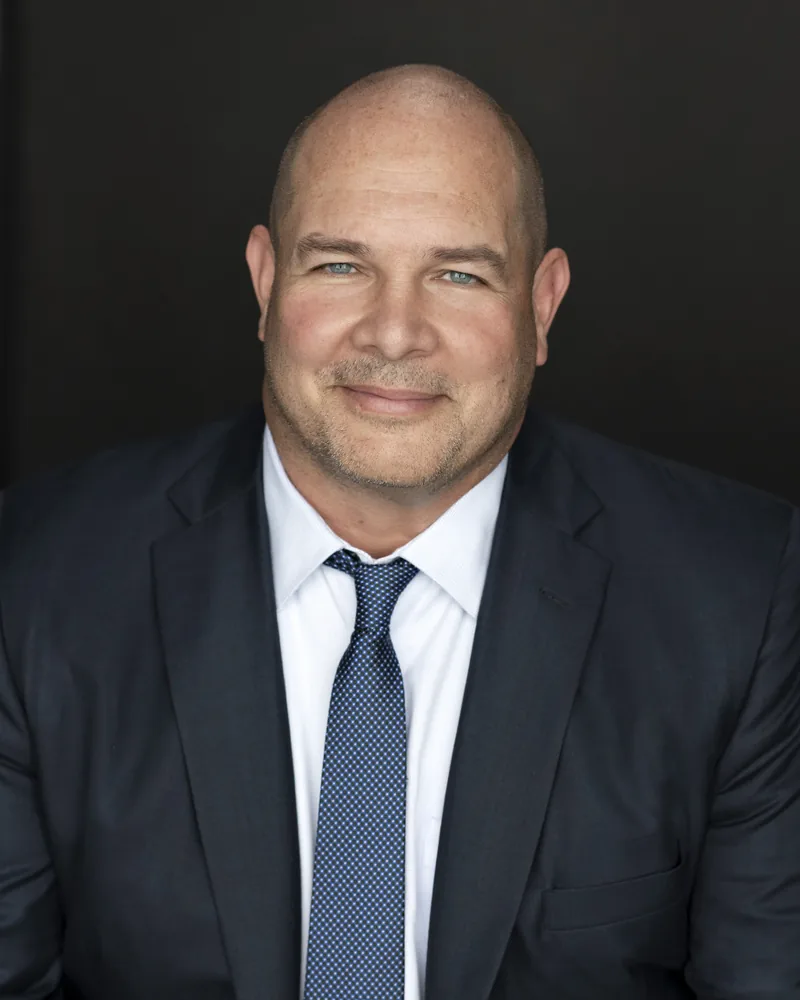
West Des Moines & MilfordLicensed in Iowa
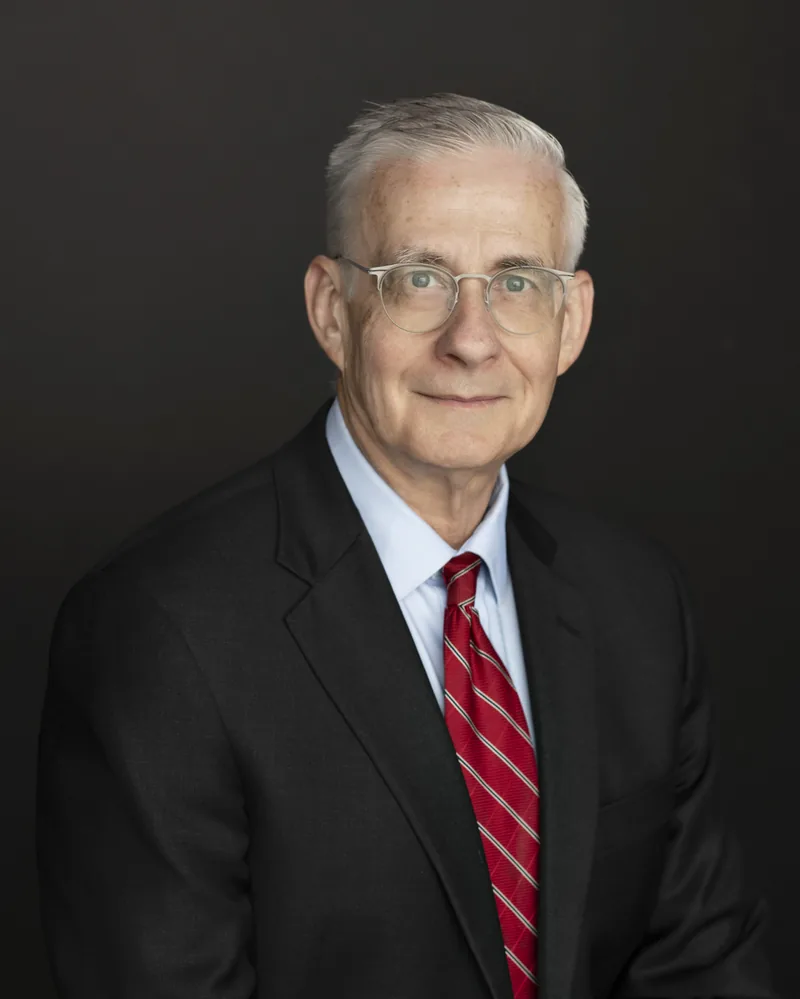
West Des MoinesLicensed in Iowa
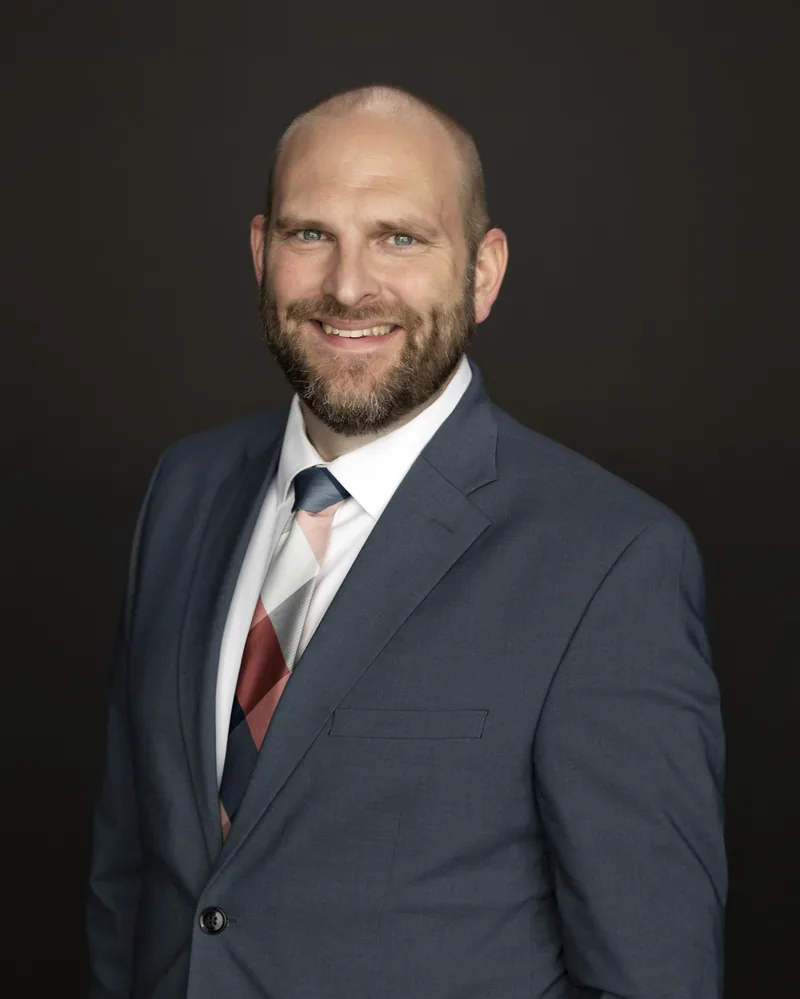
West Des MoinesLicensed in Iowa
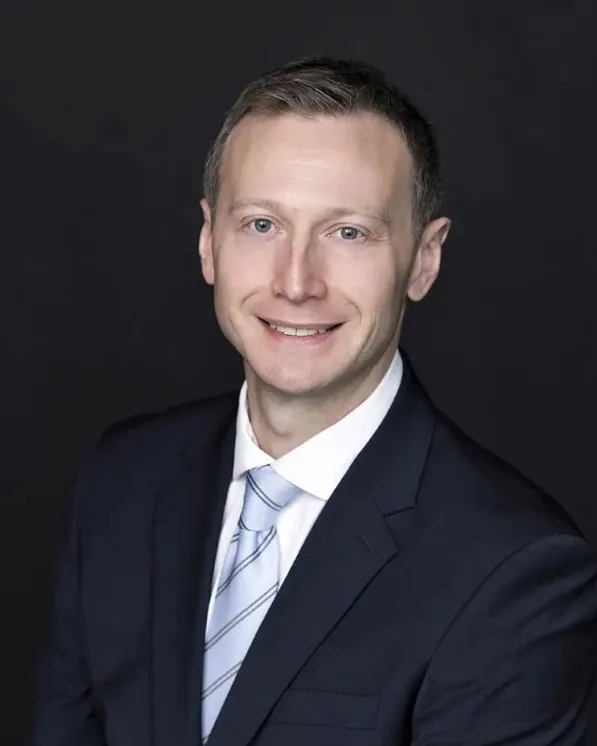
West Des MoinesLicensed in Iowa
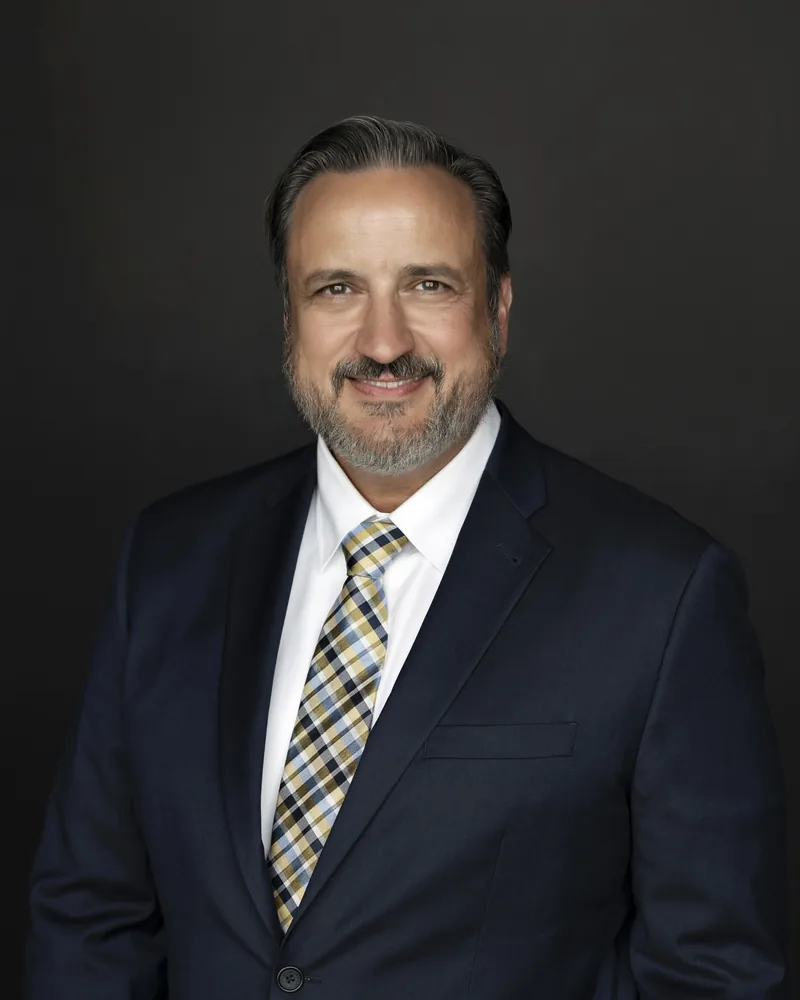
DubuqueLicensed in Iowa & Illinois
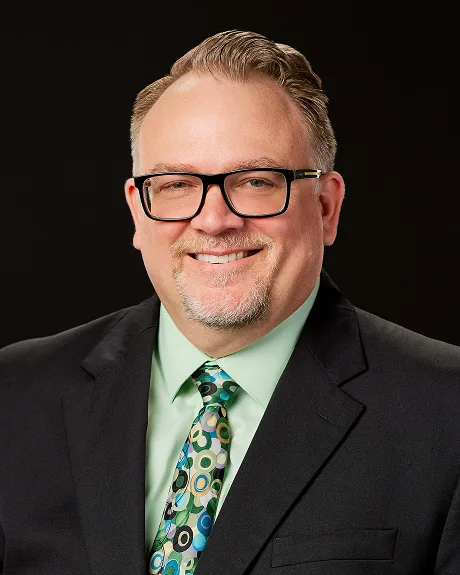
DubuqueLicensed in Iowa
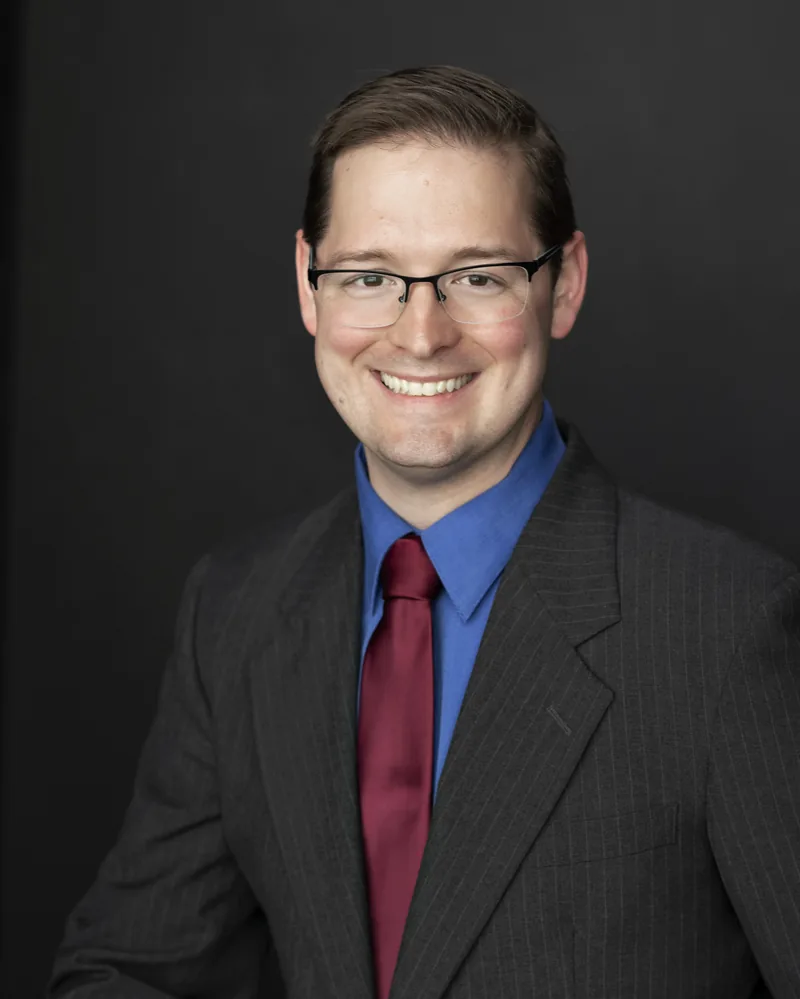
Cedar Rapids & BettendorfLicensed in Iowa & Illinois
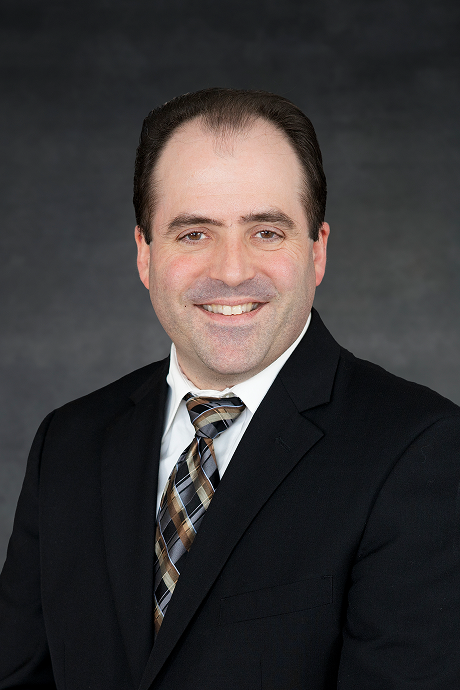
BettendorfLicensed in Iowa & Illinois
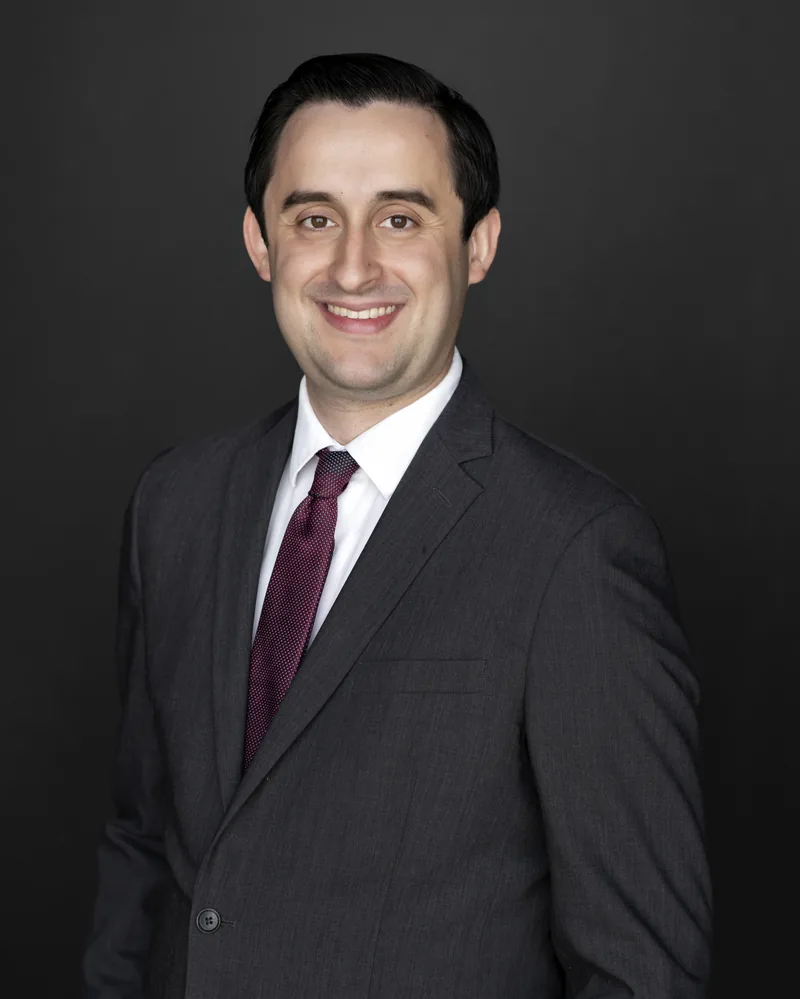
Overland ParkLicensed in Kansas, Missouri & Iowa
Locations
Meet with an attorney at any of our six offices in Iowa and Kansas.
Glossary
Related services
Creating or updating wills, trusts, powers of attorney, and other essential legal documents.
Preparing for long-term care, Medicaid considerations, and future decision-making.
Representing individuals when disagreements arise involving an estate, trust, fiduciary, or inheritance.
Probate FAQ
General information only. Schedule a free consultation for advice about your situation.
Probate is a court-supervised legal process that may be required to administer certain assets after someone dies. Whether probate is necessary depends on the assets involved, how they were titled, and the applicable law.
The timeline depends on many factors, including the size of the estate, court procedures, creditor matters, and whether disputes arise. An attorney can explain what to expect after reviewing your situation.
The person responsible for administering an estate manages assets, communicates with beneficiaries, addresses debts and expenses, completes any required legal filings, and distributes property according to the law or governing documents.
Depending on your circumstances, certain estate planning tools may simplify or reduce the probate process for some assets. An attorney can explain which options may be appropriate for your goals.
Successor trustees often benefit from legal guidance because they have ongoing responsibilities to the trust and its beneficiaries. An attorney can help explain those responsibilities and answer questions throughout the administration process.
Free resources
Free masterclass
Short classes on estate planning, long-term care, probate, and trust administration, presented by Pearson Bollman Law attorneys.
Free guide
A free guide to help you organize your information and prepare for a conversation about your plan.
Newsletter
Planning tips, law updates, and firm news delivered to your inbox. Unsubscribe anytime.
Whether you’ve been named personal representative or trustee, or you simply need to know what happens next, Pearson Bollman Law can help you understand your responsibilities and options. Your initial consultation is free.